
By Jordyn Reid-Stevenson, Broker, Joanne Goneau Team
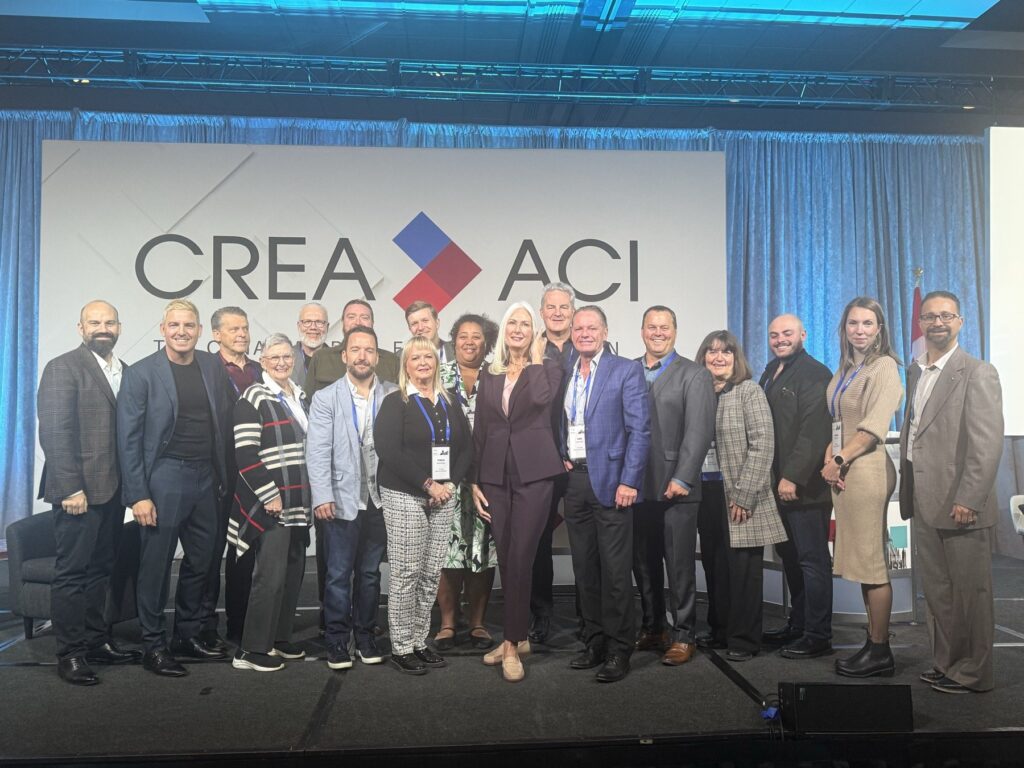
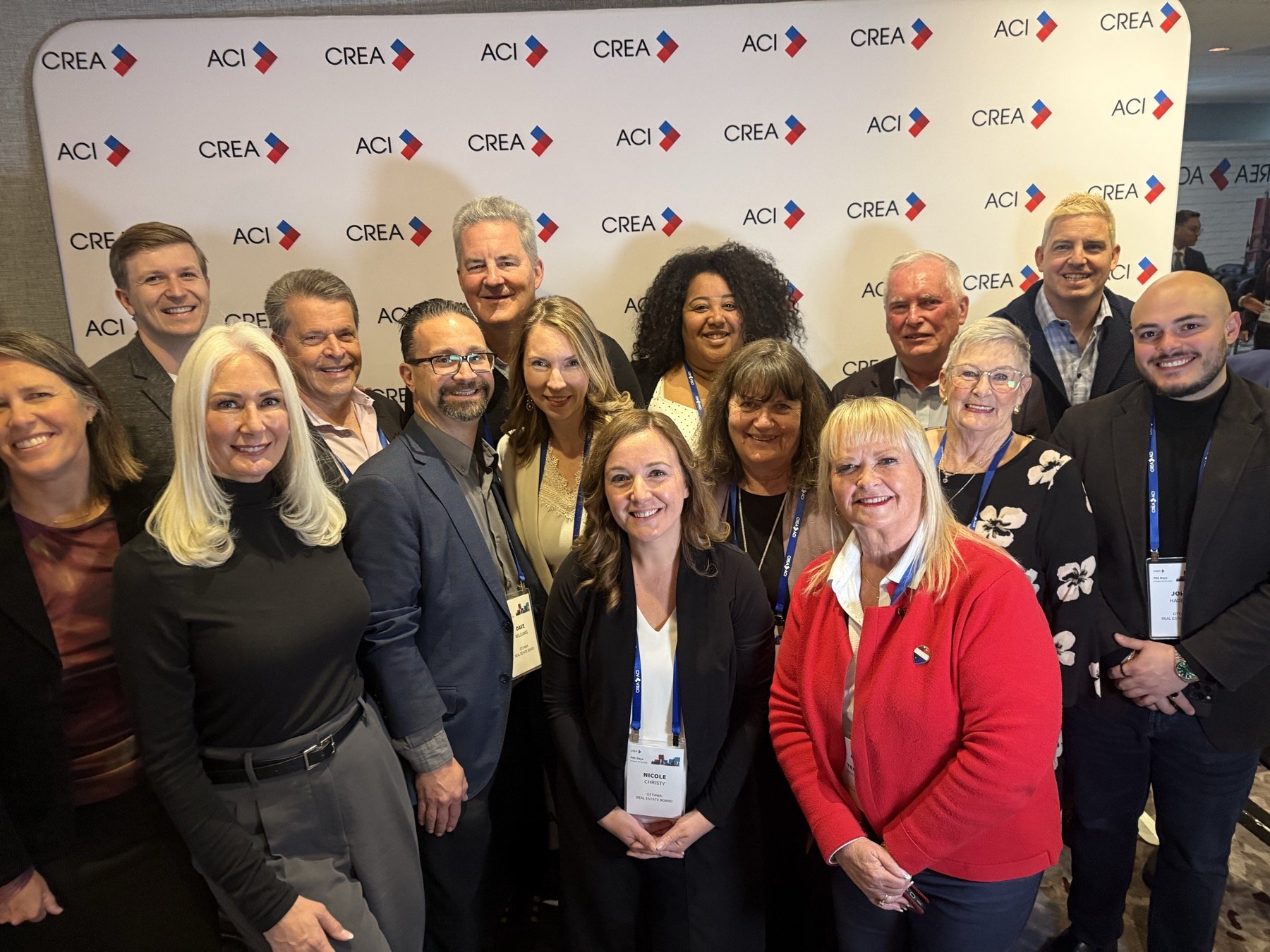
Being a REALTOR® means more than selling homes. At CREA PAC 2026, I am joining REALTORS® from across Canada to bring our clients’ housing concerns to Members of Parliament and advocate for more housing choices and a more attainable path to homeownership.
This is my third year participating in CREA PAC Days, and each year I learn more about the impact we can have by advocating to Parliament on behalf of our clients.
These conversations matter because housing policy touches real lives. Behind every discussion about supply or affordability is a renter hoping to buy, a family looking for more space, or a senior who wants a manageable home near the people they love.
What is CREA PAC 2026?
CREA PAC Days brings REALTORS® together to discuss housing priorities with federal representatives. CREA is the Canadian Real Estate Association, and PAC stands for Political Action Committee. For me, participating means listening, learning and bringing the concerns I hear from clients into a national conversation.
Working with buyers and sellers in Ottawa gives me a close view of how housing challenges affect everyday decisions. That perspective is something I can bring beyond an individual transaction.
Why does housing advocacy matter to me as a REALTOR®?
Housing advocacy means speaking up about the barriers people face when finding a place to live. My role includes helping clients navigate today’s market and advocating for better opportunities in the future.
A home is where routines take shape, families grow and people build a sense of belonging. When suitable housing feels out of reach, people may delay their plans, compromise on space or leave communities they love.
After three years of participating in PAC Days, I appreciate even more how important it is to connect those personal experiences to policy discussions. My responsibility to clients does not end on closing day.
What are REALTORS® asking the federal government to do?
CREA’s 2026 advocacy materials call for a National Housing Strategy 2.0, developed with provinces and territories, that addresses the full housing continuum, from homelessness to attainable homeownership.
The recommendations include more housing choice, a stronger focus on attainable ownership and middle housing, and clear, outcome-focused mandates for Build Canada Homes and the Canada Mortgage and Housing Corporation (CMHC).
These are policy proposals, not announcements of new benefits or guarantees that legislation has changed. The goal is to encourage coordinated action that produces homes people can actually use and afford.
For clients, success should mean more than a higher construction count. It should mean more realistic options that suit different budgets, households and stages of life.
What is “missing middle” housing?
Missing middle housing includes options such as duplexes, townhomes, semi-detached homes and smaller multi-unit buildings. These can help fill the gap between small apartments and larger detached homes.
More choice can help first-time buyers, growing families and people looking to downsize. However, a particular building type is not automatically affordable. Location, construction costs, financing and household incomes all matter.
Rental housing and ownership are also connected. A healthy housing system needs both, so people can find suitable homes whether they rent or buy.
How could better housing choices help Ottawa clients?
A wider mix of homes could give renters more opportunities to buy, families room to grow near schools and work, and seniors smaller homes within their existing communities.
The Missing Middle Initiative’s January 2026 blueprint, developed with CREA’s support, explores these connections. It considers how new housing choices, pathways from renting to owning and options for seniors can work together.
No single policy will solve every challenge. Progress requires coordination across governments and attention to the needs of the people who live in our communities.
How does housing support the local economy?
Home sales support work beyond the transaction itself, including moving, professional services, furnishings and renovations.
An August 2025 Altus Group report prepared for CREA estimated an average of $97,500 in ancillary spending per MLS® transaction nationally over 2022 to 2024. This excludes the purchase price of the home and land. It is a historical national estimate, not an Ottawa-specific figure or a promise about every sale.
For me, people remain the starting point. The economic connection is another reason housing deserves sustained attention.
What does CREA PAC 2026 mean for my commitment to you?
It means continuing to learn, showing up and using my voice on behalf of clients. I want to help you make informed decisions today while supporting a future with more attainable housing opportunities.
For me, being a REALTOR® is about helping people find their place and advocating for a future where more people have that opportunity.
If housing affordability is affecting your plans, I would welcome the chance to hear your perspective. Whether you are renting, buying, selling or considering a change, your experience matters.
Connect with Jordyn Reid-Stevenson and the Joanne Goneau Team to talk about your Ottawa housing goals.
Sources and further reading
- Canadian Real Estate Association, PAC Resources 2026, supplied event materials.
- Altus Group for CREA, Economic Benefits, August 2025, using 2022 to 2024 transaction data.
- Missing Middle Initiative, Blueprint to Restore Homeownership, January 2026, supported by CREA.